ACCREDITED WELDER IN DARWIN
- Custom Fabrication for Any Project
- Reliable Service Across NT & WA
- Durable HDPE Products Built to Last
Request a call back
Thank you for contacting Advanced Poly.
We will be in touch soon.
Oops, there was an error sending your message.
Please try again later.
Darwin Accredited Plastic Fabricators
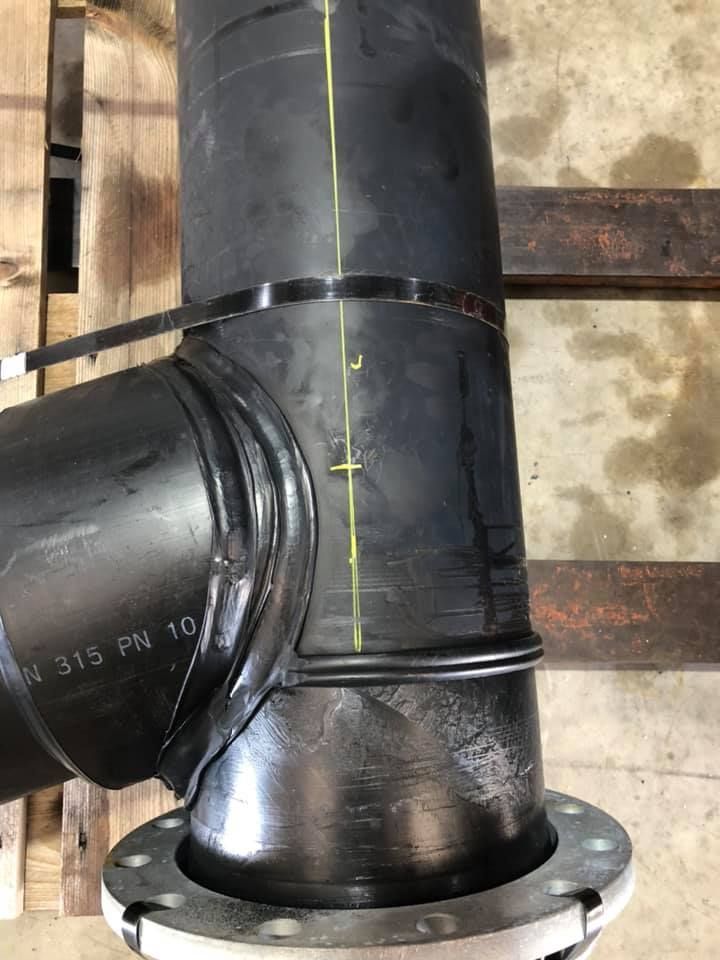
When it comes to plastic welding, precision and certification matter. At Advanced Poly in Darwin, our accredited Plastic Fabricators deliver professional-grade welding services that meet strict industry standards—whether the job calls for HDPE pipe welding, custom fabrication or complex onsite repairs.
Poor welds can cause leaks, system failures or costly downtime, especially in critical infrastructure. That’s why our Plastic Fabricators are trained and certified to perform both butt welding and electrofusion welding, giving you the confidence that every connection is secure, durable and built to last.
We work across civil, mechanical, mining and construction sectors throughout the Northern Territory, offering workshop and local onsite services. Call (08) 8931 3881 to book a job or find out how we can support your next project.
Certified for Quality, Ready for Any Job
Welding plastic components might look straightforward—but when performance is on the line, only certified professionals can ensure long-term results. Our accredited welders are experienced in joining a wide range of HDPE fittings, tanks, pipework and custom builds, using the right welding technique for the job.
Whether you're installing new infrastructure, replacing damaged sections or building a custom system, we follow best practices for safety, precision and compliance. We’re fully equipped to handle jobs both in-house and onsite, so you get maximum flexibility and quality control, no matter where the work is done.
Reach out today to talk through your welding needs or get a fast, obligation-free quote.
Frequently Asked Questions
What types of welding are used for HDPE pipes and fittings?
The two most common types of welding used for HDPE pipe systems are butt fusion welding and electrofusion welding. Butt fusion involves heating and joining two pipe ends until they fuse into a single, solid piece, while electrofusion uses an embedded electrical coil in a fitting to melt and fuse it onto the pipe. Both techniques create strong, leak-free joints and are selected based on pipe size, accessibility and system design.
Why is certified welding important in industrial projects?
Certified welding is critical in industrial settings because it ensures that joins are structurally sound, leak-proof and long-lasting. Poor welds can fail under pressure, resulting in safety hazards, environmental damage or system downtime. In sectors like mining, construction or civil infrastructure, accredited welders help maintain compliance with safety regulations and reduce the risk of costly repairs or rework.
Can plastic welding be done onsite for urgent repairs?
Yes, many plastic welding tasks—especially HDPE repairs—can be completed onsite using portable welding equipment. Onsite welding is ideal for emergency pipeline repairs, installations in remote locations or jobs where transporting large pipe sections is impractical. It allows technicians to make precise repairs or joins on the spot, helping avoid extended project delays.